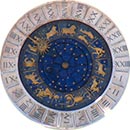
Astrology
Astrology in ancient times consisted of wise men who observed the stars and orbits of the planets, measured the distances between constellations, and noted the eclipses. They used astrolabes to measure the heavens and a very interesting device called the Antikythera, that could, calculate the positions of the Sun and Moon, solar and zodiac calendars as well as eclipses.
Originally, astrology was about plotting the heavens as an aid to navigation as well as creating a calendar. Then with more observation the ancient astrologers began to correlate phenomena in the heavens with activities and events on earth. Astrology became the province of emperors and kings and was used to rule their people, warn of revolt, famine and invasions.
Hindu Astrology: The earliest Vedic text on astronomy is the Vedanga Jyotisha; Vedic thought later came to include astrology as well. Hindu natal astrology originated with Hellenistic astrology by the 3rd century BCE, though incorporating the Hindu lunar mansions. The names of the signs, the planets, and astrological terms in Varaha Mihira's texts are considered conclusive evidence of a Greek origin for Hindu astrology.
Western Astrology: Western astrology is a form of divination based on the construction of a horoscope for an exact moment, such as a person's birth. It uses the tropical zodiac, which is aligned to the points. Western astrology is founded on the movements and relative positions of celestial bodies such as the Sun, Moon and planets, which are analysed by their movement through signs of the zodiac and by their aspects relative to one another. They are also considered by their placement in houses.
Chinese Astrology: Chinese astrology has a close relation with Chinese philosophy (theory of the three harmonies: heaven, earth and man) and uses concepts such as yin and yang, the Five phases, the 10 Celestial stems, the 12 Earthly Branches, and shichen (a form of timekeeping used for religious purposes). The early use of Chinese astrology was mainly confined to political astrology, the observation of unusual phenomena, identification of portents and the selection of auspicious days for events and decisions.